


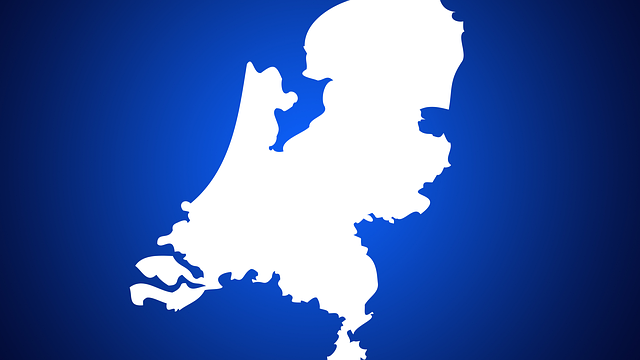
Going to work in the Netherlands can be the beginning of something new for you, but it requires good preparation. If you pack everything consciously and according to a plan, your first days after arrival will be much easier and calmer. Well-planned luggage will help you avoid stress, extra costs and unnecessary trips to the shops. It is worth organizing your documents, clothes, finances and electronics in advance.
What documents should you prepare before going to work in the Netherlands?
Documents are absolutely essential and should be the first thing you have under control. Without them, you will not be able to start work, complete formalities or sign a contract. Organize them in advance to avoid stress at the airport or during registration with public authorities. Make sure all your details are up to date and that you have copies on your phone and in the cloud.
The most important documents you should take with you:
- a valid ID card or passport;
- an employment contract or confirmation of employment;
- your bank login details and account number;
- confirmation of accommodation and transport.
It is worth packing your documents in a separate folder, preferably a waterproof one. Save the most important contact details in a notebook as well, not only on your phone. Make backup copies of your documents and store them in two different places. This will help you avoid serious problems if you lose the originals.
How does working in the Netherlands affect your preparations and travel budget?
When planning your trip, you need to take the actual cost of living in the Netherlands into account. Transport, accommodation and food are more expensive than in Poland, so you need a starting budget. Before leaving, check approximately how much you will earn so you can estimate how much you will be able to save during the first few weeks. This will help you avoid financial pressure and plan your expenses more effectively.
Prepare your budget so that it includes enough money for your first month of living expenses. Also plan a reserve for unexpected situations. If you are travelling through an employment agency, make sure you know which costs you will have to cover at the beginning. This will help you avoid unpleasant surprises after arrival.
What should you know about Dutch weather before packing your suitcase?
The Dutch climate can be surprisingly changeable – it may be sunny one moment and rainy and very windy just a few hours later. This means that a lightweight waterproof jacket can be more practical than a very warm coat. Another interesting point is that many people travel by bicycle, so your clothes should be comfortable and wind-resistant. In everyday life, you will spend quite a lot of time outdoors.
It is worth starting your packing by checking the weather forecast for the region where you will live and work. The climate in the Netherlands is mild but windy and humid, so you need comfortable layered clothing. Prepare clothes both for work and for your free time. They should be practical and easy to wash.
It is also worth knowing that many employee accommodation facilities offer limited storage space. That is why lightweight and carefully planned luggage can make a big difference. Quick-drying clothes are ideal if you need to do laundry frequently. All of this helps make everyday life more comfortable.
How should you manage your finances before going to work in the Netherlands?
Finances are one of the most important parts of preparing for your trip. You need to have enough money for the first few weeks before you receive your first salary. This is particularly important if you have to pay for accommodation or transport yourself. Make sure you have some cash available and a bank card that works properly.
It is best to have two payment methods: a bank card and cash. The card will be useful in shops and for larger payments, while cash can help with small everyday expenses. Check whether your bank charges high currency conversion fees. Save your online banking details separately as well.
This will help you avoid stress if you lose your card or experience a payment problem. These are small preparations that can make a big difference in practice.
What electronics and accessories are worth taking with you?
Electronics make everyday life in a new country easier. Your phone is now a tool you use for work, navigation and communication with your employer. It is worth taking not only the basic devices but also backup solutions in case something stops working. This will help you stay in control of your daily organization.
Useful accessories worth taking with you:
- a charger and power bank;
- an extension lead or multi-socket adapter;
- headphones for travel and work;
- a USB drive for storing scans of documents.
Install the basic apps in advance: maps, messaging apps, banking apps and note-taking tools. Also check whether your phone is unlocked for SIM cards from foreign operators. This will help you settle in more quickly once you arrive.
Summary – how to prepare well for your trip and avoid stress
Going to work in the Netherlands requires planning and good organization, but proper preparation makes the whole process much easier. Once you take care of your documents, clothes, electronics and finances, your first few days will be calmer and more predictable. It is worth checking each item off a list so you do not forget anything. With this approach, you will feel more confident in your new country much sooner.
FAQ – frequently asked questions before going to work in the Netherlands
Before leaving, many questions arise about luggage, formalities and the cost of living. It is worth knowing the answers in advance so you can avoid surprises after arrival. Below are the most frequently asked questions to help you prepare.
1. How much money should you take with you at the beginning?
The most sensible approach is to take enough money to cover at least one month of living expenses. This amount should cover accommodation, food, transport and basic fees. If you are going to a larger city, your financial buffer should be higher. This will help you avoid financial pressure during the first few weeks.
2. Do I need paper copies of my documents?
Paper versions are still needed in many situations, especially when signing a contract or registering your address. However, it is also worth keeping scans in the cloud. This gives you protection in case the original documents are lost. Having both versions makes it easier to resolve any potential problems quickly.
3. What clothes are best suited to the Dutch climate?
Choose lightweight, layered and wind-resistant clothing. A waterproof jacket will be useful for everyday commuting. It is also worth taking comfortable shoes because you will do a lot of walking and may often travel by bicycle. Quick-drying clothes will make everyday life easier.
4. Should I take my own bedding and towels?
It depends on the accommodation, so ask your employer or employment agency before leaving. Bedding is available in many places, but you often need to bring your own towels. If you are unsure, take a lightweight set for the beginning. You can buy additional items locally later.
5. How can I avoid forgetting important things while packing?
The best solution is to create a checklist and tick off each item while packing. Divide it into categories such as documents, finances, clothes and electronics. You can also do a trial packing the day before to make sure everything fits. This system reduces stress and the risk of forgetting something important.