


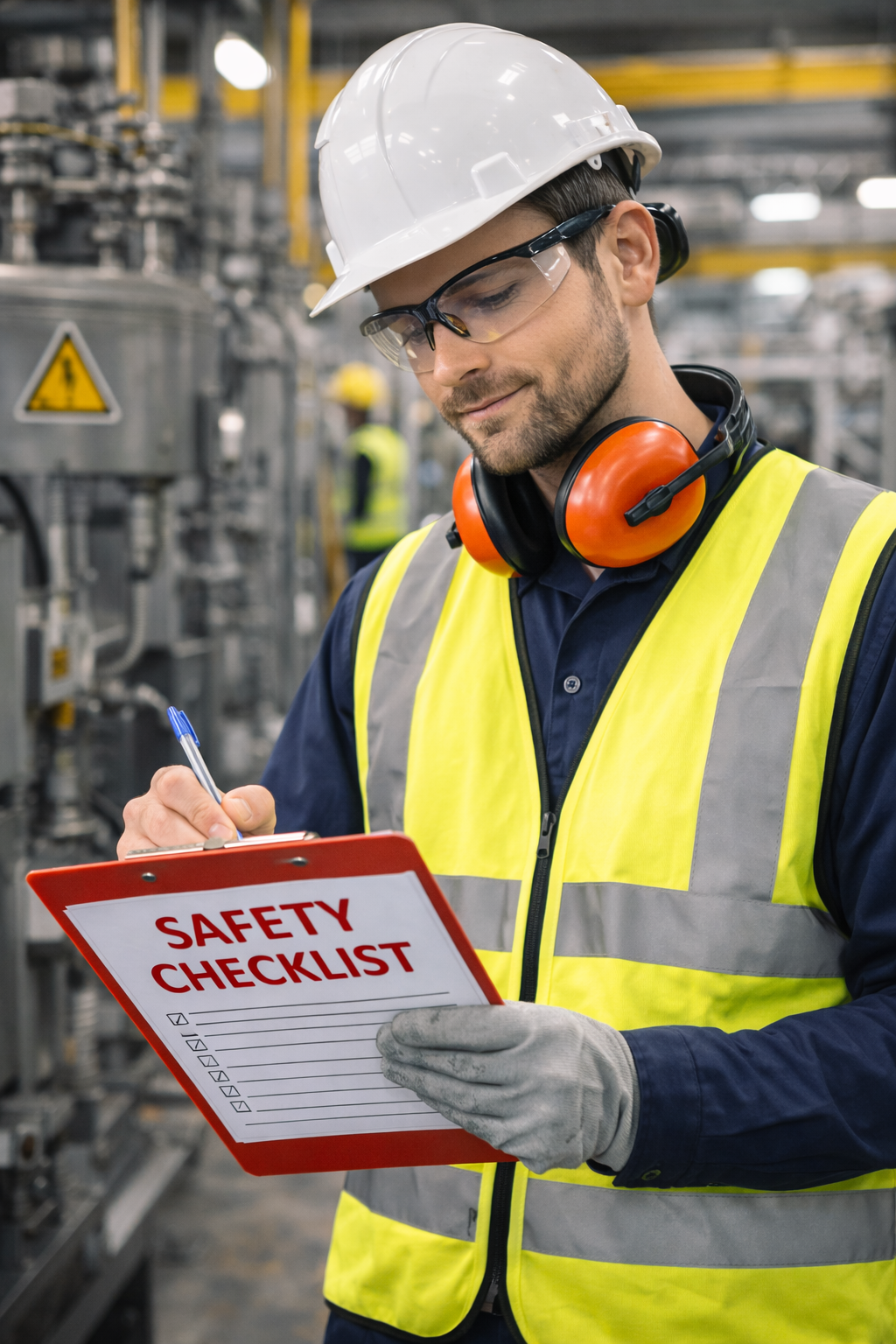
Safe work is the foundation of efficient operations in every workplace — whether you work in a greenhouse, warehouse or production facility. In a well-organized environment, risks are lower and the pace of work is noticeably faster. The key is to know the rules and follow them every day. This helps protect both you and your co-workers while preventing accidents and costly downtime. Read this guide to learn the most important workplace safety rules.
Greenhouses: how to stay safe in an environment full of humidity and temperature changes?
Working in a greenhouse requires caution because the conditions are different from those found in typical industrial halls. High humidity, slippery floors, chemicals used for plant care and frequent temperature changes increase the risk of injury. It is also very important to know how to move safely between racks, irrigation lines and transport carts. Awareness of hazards increases your chances of avoiding accidents.
The most important safety rules include:
- Wear appropriate non-slip footwear.
- Watch out for irrigation systems that may create puddles.
- Wear gloves suitable for handling chemicals.
- Be careful when transporting plants and equipment.
In a greenhouse, staying properly hydrated is particularly important because the body can overheat more quickly. Remember to take frequent breaks if you work in high temperatures. Always approach fertilizers and plant protection products with caution. Keeping your workstation tidy reduces the risk of trips and slips.
Warehouses: why does space organization affect safety?
In warehouses, the most common hazards are associated with forklift traffic, heavy goods and the fast pace of work. Incorrectly stored pallets or poor communication can lead to serious accidents. Employees must understand right-of-way rules and move within designated zones.
Warehouse organization should be carefully planned and consistently maintained. Clear markings, effective lighting and fixed traffic routes significantly reduce the risk of collisions. Regular training in the use of manual and automated warehouse equipment is equally important. A safe warehouse starts with employee awareness.
Production: how to avoid hazards around machinery and production lines?
In production environments, the main hazards come from working near moving machine parts. It is essential to know how to start and stop equipment and how to react in an emergency. Choosing appropriate clothing is equally important to prevent it from becoming caught in machinery.
Before every shift, it is worth checking the technical condition of your workstation. Even a minor fault can lead to a serious incident. Remember to use hearing and eye protection if your position requires it. Occupational health and safety in production is not just a formality — it provides real protection for your health.
Working near conveyor belts requires concentration and consistent compliance with instructions. Teamwork is also important — a quick reaction from co-workers can prevent dangerous situations.
Interesting fact: why do microbreaks improve safety?
Research on workplace ergonomics shows that short breaks can improve employee concentration. Even 20–30 seconds of muscle relief can reduce the risk of making a mistake. This is particularly important in tasks that require precision, such as transplanting plants or packing products.
Microbreaks also have a positive effect on the spine, hands and eyesight. As a result, you reduce muscle tension and work more safely. This strategy is simple, and introducing it can bring quick results.
Protective equipment: how to choose and use it correctly?
Personal protection is the foundation of safe work in any environment. Gloves, safety footwear, goggles, helmets and hearing protection should be matched to specific tasks. A common mistake is using the wrong type of protective equipment, which can create a false sense of security.
A good practice is to regularly inspect the condition of protective clothing and equipment. Worn items do not provide adequate protection. In areas with high noise levels, remember to protect your hearing — long-term exposure can lead to permanent damage. When working with chemicals, it is essential to use gloves and masks that are resistant to the specific substances involved.
Personal protective equipment does not replace caution, but it significantly reduces the consequences of potential incidents. Use it according to instructions and always report missing equipment.
Workplace hygiene: how to protect your health and prevent injuries?
Good workplace hygiene supports both physical and mental safety. In greenhouses, warehouses and production facilities, proper ventilation, regular hand washing and temperature control are important. A clean workstation reduces the number of potential hazards.
Before starting work, it is worth planning your day to avoid overexertion. Maintaining a balance between effort and rest improves efficiency. Regular muscle stretching can significantly reduce tension and pain. These small actions improve safety in the long term.
The most important safety rules – what should you remember?
Safety is an everyday practice, not a one-time training session. Understanding hazards and consistently following the rules is the best protection against accidents.
The most important rules are:
- Keep your workstation tidy.
- Report faults to your supervisor.
- Use reliable protective equipment.
- Work according to instructions.
Maintaining safety is an ongoing process that requires attention every day. Cooperation with your team and reacting to irregularities help build a healthy working environment. Your actions have a real impact on the safety of the entire workplace.
Summary – why does workplace safety benefit everyone?
Workplace safety is an investment that pays off immediately. Fewer accidents mean less stress, a better atmosphere and higher productivity. Following occupational health and safety rules protects health and life while also minimizing downtime and repair costs.
A safety-conscious employee is a valuable employee — whether they work in a greenhouse, warehouse or on a production line. Remember that safety starts with you and the decisions you make every day.
Frequently asked questions (FAQ)
Safety rules vary depending on the workplace, so below you will find practical answers to the most frequently asked questions.
1. What type of footwear is best for warehouse work?
Footwear should have a non-slip sole and a reinforced toe cap to protect against falling goods. In warehouses with wet surfaces, shoes with deep tread are also a good choice. Good footwear reduces foot fatigue and improves stability. It is also worth matching the footwear to the type of flooring at the workplace.
2. Do you always need to wear gloves in a greenhouse?
Yes, especially when using chemicals or working with plants that have sharp edges. Gloves protect against irritation, cuts and chemicals. It is worth having several types of gloves for different tasks. This is one of the simplest ways to protect your hands.
3. How can you reduce the risk of forklift accidents?
The most important thing is to follow designated traffic zones and right-of-way rules. Operators must have the required qualifications and remain fully focused while driving. Warehouse mirrors at intersections can also be helpful. Good visibility is essential for avoiding collisions.
4. Can production noise be harmful to your health?
Yes, long-term exposure to noise can damage hearing. Hearing protection is mandatory wherever noise levels are high. Regular breaks reduce auditory fatigue. It is also worth reporting any machine fault that causes excessive noise.